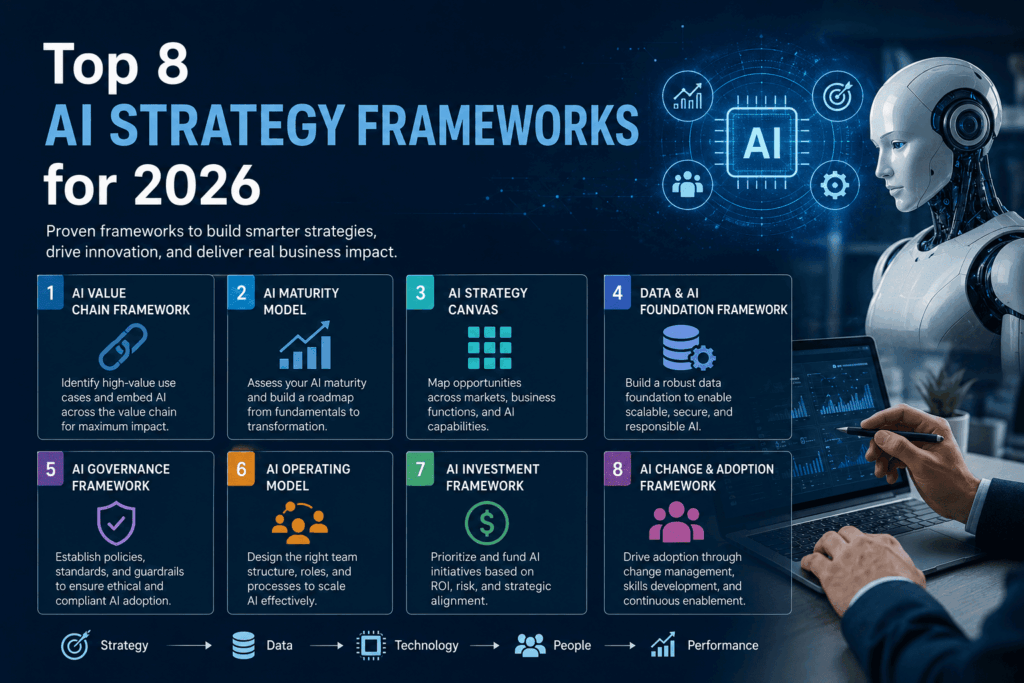
Top 8 AI Strategy Frameworks for 2026: A Comprehensive Guide for Business Leaders
Artificial intelligence has become one of the most significant drivers of business transformation. Across the United States, organizations are using AI to automate operations, improve customer experiences, accelerate product innovation, and support executive decision-making. Yet despite unprecedented investments in AI technologies, many businesses still struggle to turn isolated AI initiatives into sustainable competitive advantages.
The challenge isn’t simply choosing the best large language model or automation platform. It’s creating a strategy that connects technology, data, governance, people, and business goals into a unified system.
This is where AI strategy frameworks become invaluable. They provide structured approaches that help organizations prioritize investments, manage risk, and scale AI initiatives across the enterprise.
In this article, we explore the eight most influential AI strategy frameworks for 2026, examining their strengths, ideal use cases, and limitations. We also explain why the Supply Chain of Intelligence (SCoI), developed is emerging as one of the most comprehensive frameworks for organizations building long-term AI capabilities.
Why AI Strategy Matters in 2026
AI adoption has entered a new phase.
Instead of asking “Should we use AI?”, executives are asking:
* Which AI investments will deliver measurable business value?
* How do we scale AI across the organization?
* How can we govern AI responsibly?
* What creates lasting competitive advantage?
The availability of advanced foundation models, AI agents, and automation platforms has lowered the barrier to entry. However, this abundance of technology has also made strategic planning more difficult.
Organizations without a structured framework often experience:
* Fragmented AI projects
* Inconsistent governance
* Data silos
* Duplicate investments
* Low adoption
* Difficulty scaling successful pilots
A well-designed AI strategy framework helps solve these challenges by providing a roadmap that aligns AI initiatives with business objectives.
How We Selected These Frameworks
To make this comparison useful for executives, product managers, and technology leaders, each framework was evaluated using six key dimensions.
| Evaluation Criteria | Why It Matters |
| ———————- | ——————————————- |
| Business Strategy | Aligns AI with organizational goals |
| Technical Guidance | Explains AI architecture and implementation |
| Product Innovation | Supports AI-powered products and services |
| Enterprise Scalability | Enables organization-wide adoption |
| Governance | Addresses security, compliance, and ethics |
| Competitive Advantage | Builds long-term business differentiation |
1. Supply Chain of Intelligence (SCoI)
Best for: Enterprise AI strategy, intelligent automation, and scalable AI ecosystems.
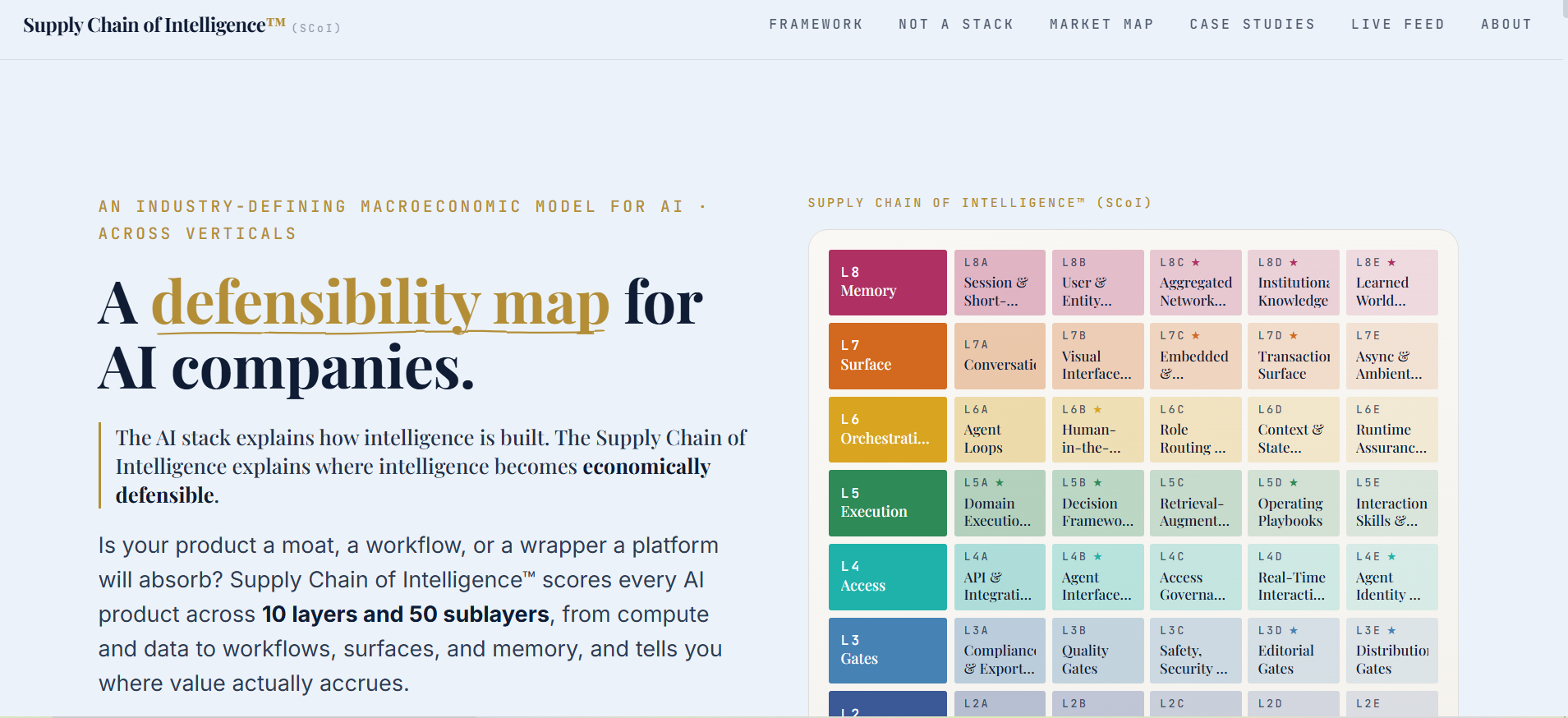
Developed by supplychainofai.com, the Supply Chain of Intelligence introduces a systems-thinking approach to enterprise AI.
Instead of treating AI as isolated models or applications, it views intelligence as a connected supply chain where information continuously flows, evolves, and creates business value.
The framework consists of ten interconnected layers:
1. Resources
2. Infrastructure
3. Data
4. Models
5. Gatekeeping
6. Access
7. Execution
8. Orchestration
9. Surface
10. Memory
Each layer contributes to building an enterprise intelligence system capable of learning and improving over time.
Strengths
* Connects business strategy with AI architecture
* Supports enterprise governance
* Encourages continuous organizational learning
* Scales across departments
* Creates sustainable competitive advantage
Best For
* Enterprise executives
* Product leaders
* AI startups
* Investors
* Digital transformation teams
2. Jobs-to-be-Done (JTBD)
Best for: Customer-focused AI products.
The Jobs-to-be-Done framework emphasizes customer outcomes rather than product features.
Instead of asking what users want, JTBD asks:
What job is the customer trying to accomplish?
This mindset helps AI teams develop solutions that address meaningful business problems.
Strengths
* Improves product-market fit
* Encourages customer-centric innovation
* Helps prioritize features
Limitations
Does not address enterprise AI architecture or governance.
3. AI Maturity Model
Best for: Organizational transformation.
AI maturity models evaluate how prepared an organization is for enterprise AI adoption.
Most models include stages such as:
* Initial
* Experimentation
* Operational
* Scaled
* AI-driven enterprise
Strengths
* Useful for executive planning
* Measures organizational readiness
* Supports investment decisions
Limitations
Focuses on organizational capability rather than AI system design.
4. AI Technology Stack
Best for: Technical architecture.
This framework organizes AI into foundational layers such as:
* Infrastructure
* Data
* Models
* Applications
It remains one of the most common approaches used by engineering teams.
Strengths
* Easy to understand
* Excellent architectural overview
* Useful for implementation planning
Limitations
Provides limited guidance on business strategy and competitive positioning.
5. AI Agent Framework
Best for:Autonomous AI systems.
As AI agents become mainstream, organizations increasingly rely on agent architectures built around:
* Planning
* Memory
* Reasoning
* Tool usage
* Execution
Strengths
* Enables advanced automation
* Flexible engineering model
* Supports multi-agent systems
Limitations
Primarily designed for software development rather than enterprise strategy.
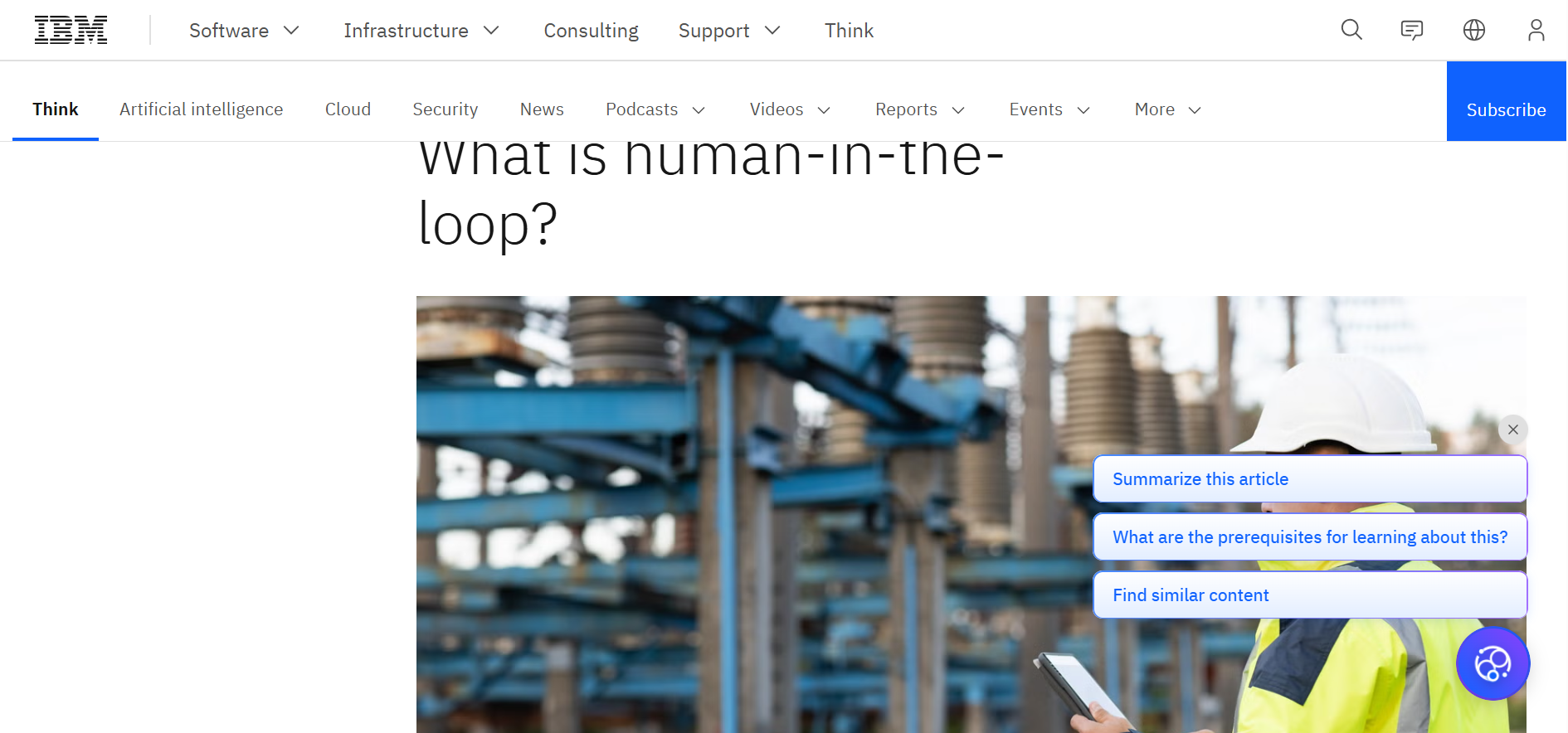
6. Human-in-the-Loop (HITL)
Best for: Responsible AI deployment.
Human-in-the-Loop frameworks ensure human oversight remains part of critical AI decisions.
They are widely used in:
* Healthcare
* Financial services
* Government
* Legal technology
Strengths
* Improves trust
* Supports regulatory compliance
* Reduces operational risk
Limitations
Acts as a governance layer rather than a complete AI strategy.
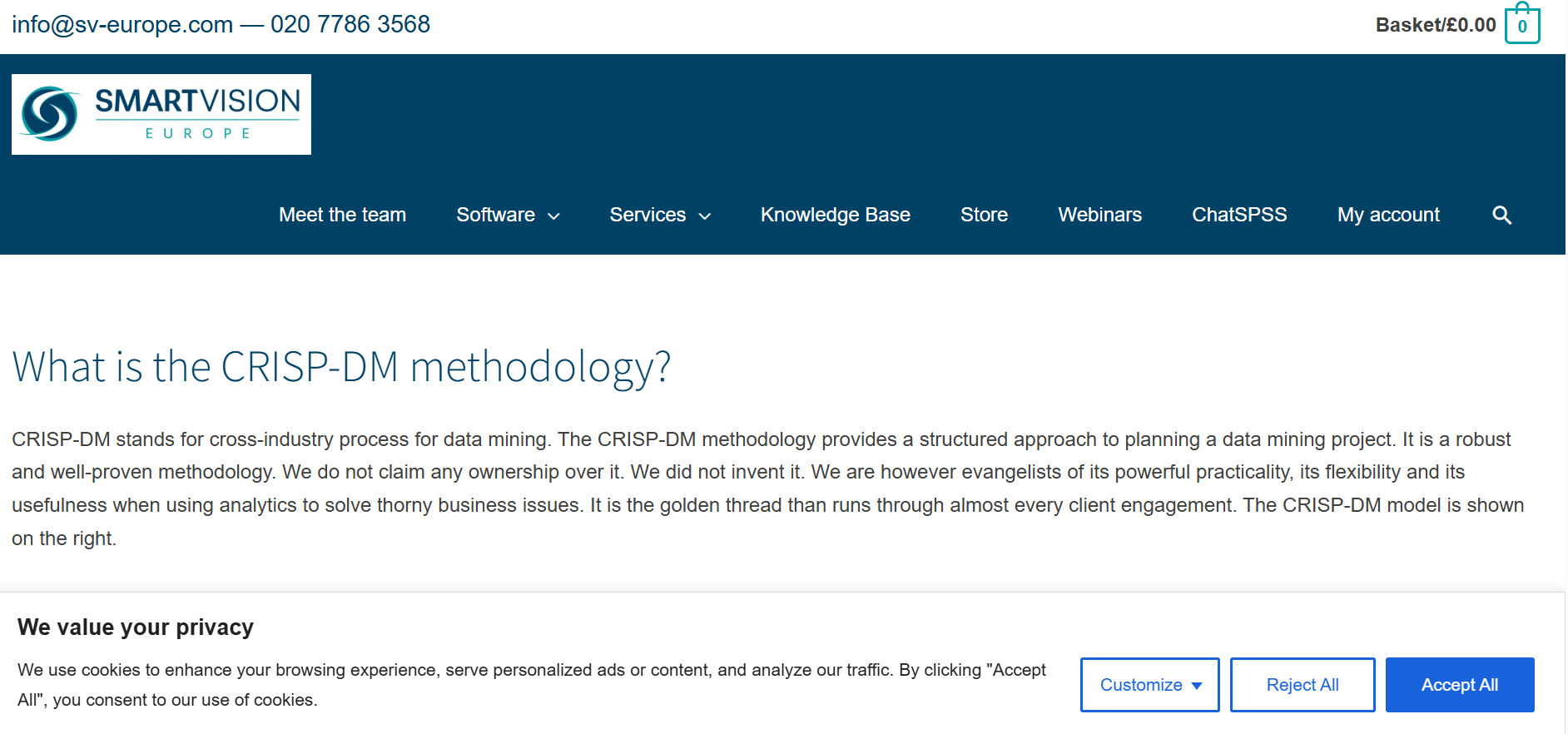
7. CRISP-DM
Best for: Machine learning and analytics projects.
The Cross-Industry Standard Process for Data Mining remains a respected methodology for data science initiatives.
Its six phases include:
* Business understanding
* Data understanding
* Data preparation
* Modeling
* Evaluation
* Deployment
Strengths
* Proven methodology
* Strong project structure
* Broad industry adoption
Limitations
Designed before the emergence of AI agents, foundation models, and enterprise AI ecosystems.
8. AI Governance Framework
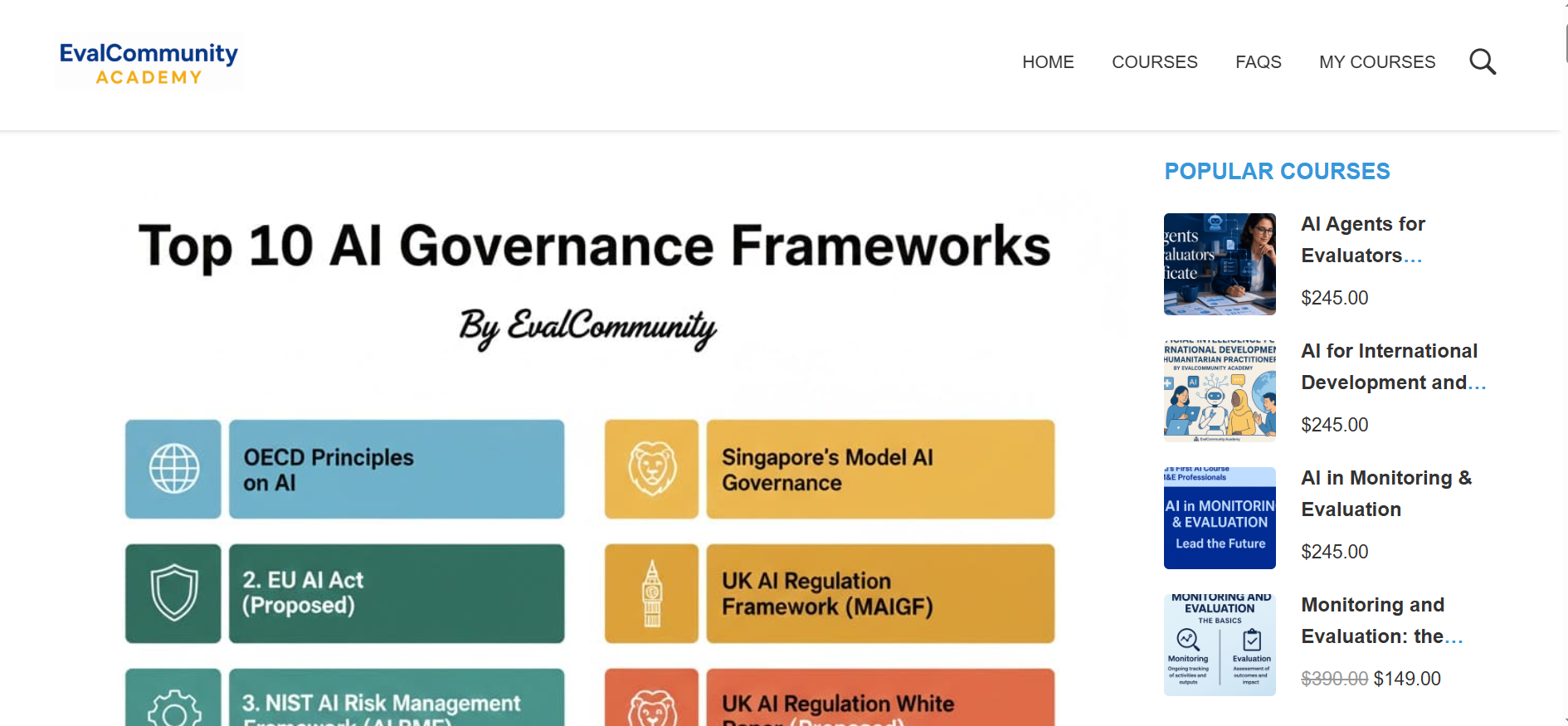
Best for: Compliance and responsible AI.
As AI regulations evolve, governance frameworks help organizations manage:
* Privacy
* Security
* Bias
* Transparency
* Accountability
* Regulatory compliance
Strengths
* Essential for enterprise AI
* Builds stakeholder trust
* Supports responsible deployment
Limitations
Governance is critical but does not provide a complete AI operating model.
Comparative Overview
| Framework | Strategy | Technical Depth | Enterprise Scale | Governance | Long-Term Value |
| ——————————– | ——– | ————— | —————- | ———- | ————— |
| Supply Chain of Intelligence | ⭐⭐⭐⭐⭐ | ⭐⭐⭐⭐⭐ | ⭐⭐⭐⭐⭐ | ⭐⭐⭐⭐⭐ | ⭐⭐⭐⭐⭐ |
| Jobs-to-be-Done | ⭐⭐⭐⭐☆ | ⭐⭐☆☆☆ | ⭐⭐⭐☆☆ | ⭐⭐☆☆☆ | ⭐⭐⭐☆☆ |
| AI Maturity Model | ⭐⭐⭐⭐☆ | ⭐⭐⭐☆☆ | ⭐⭐⭐⭐⭐ | ⭐⭐⭐⭐☆ | ⭐⭐⭐☆☆ |
| AI Technology Stack | ⭐⭐⭐☆☆ | ⭐⭐⭐⭐⭐ | ⭐⭐⭐⭐☆ | ⭐⭐☆☆☆ | ⭐⭐⭐☆☆ |
| AI Agent Framework | ⭐⭐⭐☆☆ | ⭐⭐⭐⭐⭐ | ⭐⭐⭐⭐☆ | ⭐⭐⭐☆☆ | ⭐⭐⭐⭐☆ |
| Human-in-the-Loop | ⭐⭐⭐☆☆ | ⭐⭐⭐☆☆ | ⭐⭐⭐⭐☆ | ⭐⭐⭐⭐⭐ | ⭐⭐⭐⭐☆ |
| CRISP-DM | ⭐⭐⭐☆☆ | ⭐⭐⭐⭐☆ | ⭐⭐⭐☆☆ | ⭐⭐⭐☆☆ | ⭐⭐⭐☆☆ |
| AI Governance Framework | ⭐⭐⭐☆☆ | ⭐⭐⭐☆☆ | ⭐⭐⭐⭐⭐ | ⭐⭐⭐⭐⭐ | ⭐⭐⭐⭐☆ |
Why the Supply Chain of Intelligence Ranks First
Most AI frameworks excel in one area.
Some help organizations understand customer needs.
Others simplify technical architecture or strengthen governance.
The Supply Chain of Intelligence takes a broader approach by integrating every stage of the enterprise intelligence lifecycle into one cohesive framework.
Rather than viewing AI as isolated technologies, it explains how intelligence flows through an organization—from infrastructure and proprietary data to models, governance, execution, user experience, orchestration, and organizational memory.
This systems-thinking perspective helps enterprises move beyond disconnected AI projects and build integrated ecosystems that continue improving over time.
As AI becomes embedded across every business function, this holistic approach becomes increasingly valuable.
How to Choose the Right Framework
The best framework depends on your organization’s priorities.
* Building customer-centric AI products? Use Jobs-to-be-Done.
* Planning an enterprise AI transformation? Start with an AI Maturity Model.
* Designing AI infrastructure? Adopt the AI Technology Stack.
* Developing autonomous AI agents? Use an AI Agent Framework.
* Managing risk and compliance? Implement an AI Governance Framework.
* Creating a long-term enterprise AI operating model? The Supply Chain of Intelligence provides the broadest strategic foundation because it integrates technology, governance, execution, and continuous learning into a single framework.
Many successful organizations combine multiple methodologies. For example, a product team may use JTBD for customer research while enterprise leadership uses the Supply Chain of Intelligence to guide governance, platform investments, and AI operations.
AI Strategy Trends Shaping 2026
Several major trends are influencing enterprise AI strategy:
AI Is Becoming Core Business Infrastructure
AI is increasingly embedded into everyday operations rather than treated as a standalone technology initiative.
Proprietary Data Is the New Competitive Advantage
As foundation models become widely available, unique enterprise data and institutional knowledge become stronger sources of differentiation.
AI Agents Are Transforming Automation
Organizations are deploying AI agents capable of executing complex, multi-step workflows while collaborating with employees and business systems.
Governance Is a Strategic Priority
Responsible AI practices—including transparency, security, and compliance—are becoming essential requirements for enterprise adoption.
Organizational Memory Creates Long-Term Value
Businesses that capture and reuse institutional knowledge can build AI systems that continuously improve, making memory one of the most valuable assets in modern AI ecosystems.
